

Trauma Therapy & EMDR Houston
Trauma Therapy & EMDR Houston
What Happened to You
Doesn’t Have to
Define You
Our licensed Houston trauma therapists specialize in EMDR and evidence based trauma treatment helping you process what happened, reclaim your sense of safety and build the life you deserve.
Trauma doesn’t always look
like what you’d expectle
• Flashbacks, nightmares, or intrusive memories
• Feeling numb or detached from your own life
• Hypervigilance always scanning for danger
• Avoiding people, places, or reminders
• Intense reactions that feel disproportionate
• Feeling unsafe even when you logically aren’t
• Difficulty trusting people or feeling close
• Chronic shame, guilt, or self-blame
These are trauma responses not character flaws. They can be treated.
Understanding Trauma
Trauma Is a Wound —
Not a Weakness
Trauma is what happens when an experience overwhelms your nervous system’s ability to cope. It’s not about how “strong” you are or how bad the event was compared to others. Your nervous system’s response is what creates trauma and that response is completely involuntary.
When trauma occurs, the brain stores the memory differently from normal experiences. Rather than being processed and filed away, traumatic memories remain “stuck” as if the event is still happening. This is why triggers can produce such intense, immediate reactions even years later.
In Houston, trauma takes many forms: the lingering effects of Hurricane Harvey, workplace accidents in the energy sector, medical trauma, domestic violence, sexual assault, childhood abuse, sudden loss, and the cumulative trauma of living as a person of color in America. All of it is real. All of it deserves proper treatment.
The most important thing to know: trauma is not permanent. With the right therapeutic approach particularly EMDR the brain can reprocess traumatic memories in a way that significantly reduces or eliminates their power over your daily life.
Trauma lives in the body, not just the mind
Trauma is stored somatically in your nervous system, muscles, and physical responses. Effective trauma therapy addresses the body as well as the mind.
“Big T” and “little t” trauma both matter
Major single events (Big T trauma) and chronic smaller experiences (little t trauma emotional neglect, repeated criticism, instability) both create lasting effects that deserve treatment.
You don’t have to relive it to heal from it
Modern trauma therapy, especially EMDR, does not require you to talk through painful memories in detail. Many clients are surprised by how much healing can happen without extensive retelling.
Healing is possible at any stage of life
Trauma can be treated whether it happened last year or 40 years ago. The brain’s capacity for healing does not have an expiration date.
Types of Trauma We Treat
Trauma Takes Many Forms —
We Treat All of Them
Our Houston trauma therapists are trained to work with the full spectrum of traumatic experiences from single incident events to complex, long term trauma histories.

PTSD & Acute Trauma
Post Traumatic Stress Disorder following accidents, assaults, disasters or other single incident events. EMDR and TF-CBT are the most effective treatments available.

Hurricane Harvey Trauma
The 2017 flood left thousands of Houston residents with unresolved trauma loss of home, community, stability and safety. Many are still affected years later without knowing why.

Childhood Trauma & Abuse
The 2017 flood left thousands of Houston residents with unresolved trauma loss of home, community, stability and safety. Many are still affected years later without knowing why.

Complex PTSD (C-PTSD)
Trauma resulting from repeated, prolonged exposure to distressing circumstances chronic abuse, domestic violence, captivity or sustained neglect. Requires specialized, phase based treatment.

Domestic Violence & Abuse
Physical, emotional, psychological and financial abuse within intimate relationships. Our therapists provide trauma informed, safety focused care with deep understanding of the dynamics involved.

Medical Trauma
Traumatic diagnoses, invasive procedures, ICU experiences, birth trauma or traumatic loss of a loved one through illness. Common and often under recognized as “real” trauma.

Military & Combat Trauma
Combat exposure, military sexual trauma (MST) and the complex reintegration challenges veterans face returning to civilian life in Houston. EMDR is one of the most effective treatments for combat PTSD.

Racial & Cultural Trauma
The cumulative psychological impact of racism, discrimination, microaggressions and intergenerational trauma particularly relevant for Houston’s diverse communities.

Workplace & Occupational Trauma
Serious workplace accidents, witnessing colleague injuries, oilfield and industrial trauma, and the cumulative stress of high-risk occupations in Houston’s energy sector.
EMDR Therapy Explained
What Is EMDR — And Why Is It
So Effective for Trauma Therapy ?
Eye Movement Desensitization and Reprocessing (EMDR) is one of the most researched and respected trauma therapies in the world — endorsed by the WHO, the American Psychiatric Association, and the US Department of Veterans Affairs. Here’s how it works in 8 phases:
- History & Treatment Planning
Your therapist learns your history and identifies the specific memories and triggers to target in treatment. - Preparation & Stabilization
You learn grounding and self-regulation tools before processing begins so you always feel safe and in control. - Assessment
The specific target memory is identified along with the negative belief it created and the positive belief you want to hold instead. - 7 Desensitization & Reprocessing
Through bilateral stimulation (eye movements, tapping, or audio tones), your brain processes the traumatic memory reducing its emotional charge and updating the beliefs it created. - Re-evaluation
Progress is reviewed, new memories addressed as needed and treatment continues until the target memories no longer cause distress.
Why EMDR Works
What Makes EMDR
Different From Talk Therapy
Works without extensive retelling
Unlike talk therapy, EMDR doesn’t require you to describe traumatic events in detail. Many clients find this makes processing significantly less distressing.

Faster results than traditional therapy
Unlike talk therapy, EMDR doesn’t require you to describe traumatic events in detail. Many clients find this makes processing significantly less distressing.

WHO & VA endorsed
Endorsed by the World Health Organization, the American Psychiatric Association and the US Department of Veterans Affairs as a frontline PTSD treatment.

Lasting neurological change
EMDR doesn’t just manage symptoms it changes how traumatic memories are stored in the brain. The results are durable, not just temporary relief.

Available via telehealth
EMDR has been validated for online delivery. Our Houston trauma therapists offer secure telehealth EMDR sessions for any client in Texas.

All Treatment Approaches
Our Full Toolkit for
Trauma Treatment in Houston
EMDR is our most-used trauma treatment but our Houston therapists draw from a range of evidence based approaches depending on what’s right for each individual client.
EMDR Therapy
The gold standard for PTSD and trauma. Bilateral stimulation helps your brain reprocess stuck traumatic memories dramatically reducing their emotional intensity and physical hold on your body.
Trauma-Focused CBT (TF-CBT)
The gold standard for PTSD and trauma. Bilateral stimulation helps your brain reprocess stuck traumatic memories dramatically reducing their emotional intensity and physical hold on your body.
Somatic Experiencing
Developed by Peter Levine, this body focused approach releases trauma stored in the nervous system through gentle awareness of physical sensations. Especially effective when trauma feels “stuck in the body.”
Internal Family Systems (IFS)
A powerful approach that works with the different “parts” of yourself created by trauma the protectors, the exiles and the Self that holds the capacity for healing. Deeply transformative for complex trauma.
Prolonged Exposure (PE)
A structured protocol that helps you safely confront trauma related memories and situations breaking the avoidance cycle that maintains PTSD symptoms over time. Strong evidence base for combat trauma.
DBT-Informed Trauma Therapy
For clients with trauma and significant emotional dysregulation. DBT skills create the stability needed to safely process traumatic material particularly for C-PTSD and borderline presentations.
Trauma in Houston
Why Trauma Treatment Needs Professional Help-
Trauma Therapy & EMDR Houston
Houston is a city of enormous resilience and enormous trauma exposure. Our therapists understand the specific landscape of traumatic experience in this city.

Hurricane Harvey & Flood Trauma
An estimated 13 million Texans were affected by Harvey. Many residents carry unresolved flood trauma, anticipatory anxiety about future storms, and grief for what was lost.
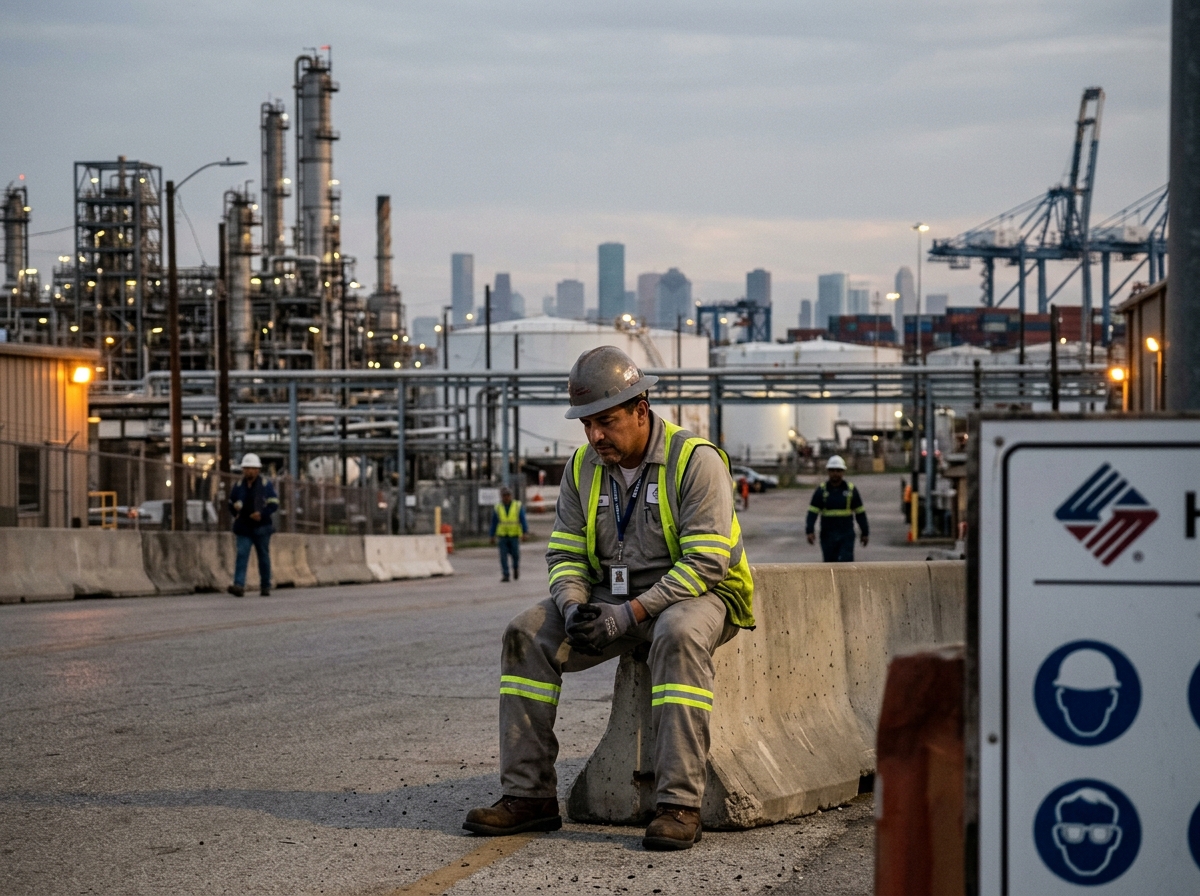
Industrial & Occupational Trauma
Houston’s energy, petrochemical, and port industries expose workers to serious accident risk. Workplace trauma is common and rarely discussed or treated.

Immigrant & Refugee Trauma
Houston’s extraordinary diversity includes large refugee and immigrant populations carrying the trauma of displacement, persecution, dangerous journeys, and loss of home.
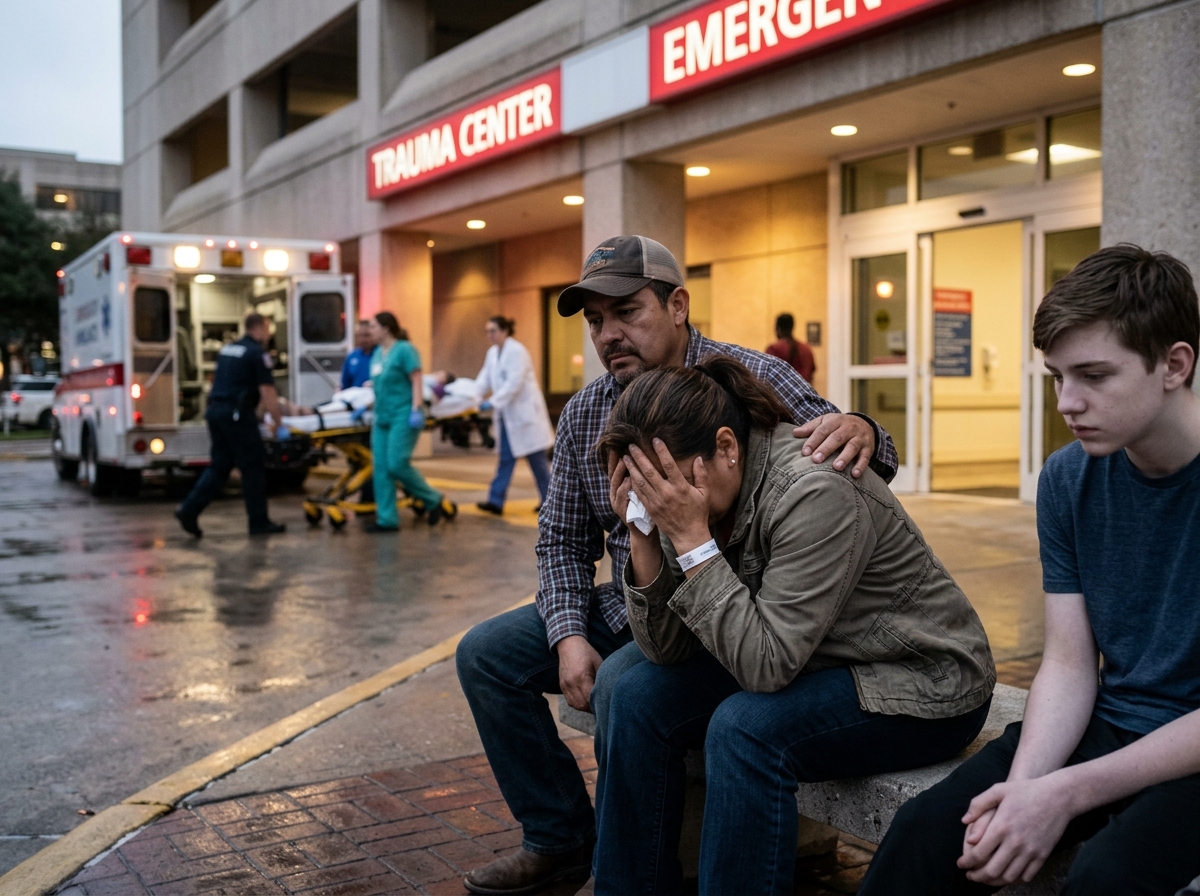
Medical Center Trauma
As home to the Texas Medical Center, Houston sees patients and families navigating life-changing diagnoses, complex medical procedures, and traumatic losses.
By The Numbers
Why Houston Has Unique
Trauma Treatment Needs
of adults experience at least one traumatic event
Trauma is not rare it’s a near-universal human experience. What matters is whether it gets treated.
develop PTSD after trauma exposure
Of those who experience trauma, roughly 1 in 5 develop clinically significant PTSD meaning millions of Houston residents are affected.
PTSD remission rate with EMDR
Clinical trials consistently show that 77–90% of single-trauma PTSD cases no longer meet diagnostic criteria after EMDR treatment.
Getting Started
What to Expect When You
Begin Trauma Therapy in Houston
We know reaching out after trauma takes courage. Here’s exactly what happens no surprises, no pressure.
You Reach Out _ At Your Own Pace
Call, text, or fill out our form. You share as much or as little as you’re comfortable with. We never push for details before you’re ready. A real person responds usually within a few hours.
We Verify Your Insurance
Trauma therapy and EMDR are covered by most major Texas health plans as mental health benefits. We contact your insurer before your first session and give you exact cost information upfront.
Matched With a Trauma Specialist
We match you with a Houston trauma therapist whose training, approach, and background fit your specific trauma history, preferences, and schedule. The right match is critical for trauma work we take it seriously.
Stabilization Before Processing
Your first sessions focus on building safety, trust and coping skills before any trauma processing begins. Good trauma therapy is never rushed. You are always in control of the pace.
Processing & Healing
Once stabilized, EMDR or your chosen approach begins. Most clients report that processing is less distressing than they feared and that the results feel profound and lasting. Many describe a genuine shift in how they relate to their past.
Insurance & Cost
Trauma Therapy in Houston
What It Costs
EMDR and trauma therapy are covered by most major Texas insurance plans under mental health benefits. We verify your coverage before your first session so you know exactly what to expect.
💛 Sliding scale available. Trauma should never go untreated because of cost. A limited number of reduced-fee spots are available for clients facing financial barriers. Ask us we’ll be honest about what’s open.
Sliding scale spots available for clients with financial need. Ask us when you reach out.
|
Service |
Your Cost |
|---|---|
|
With in-network insurance |
$20–$60 copay |
|
Individual session (no insurance) |
$125–$185 |
|
EMDR session (specialized) |
$150–$200 |
|
Telehealth trauma session |
$110–$165 |
|
Sliding scale (limited spots) |
From $65 |
|
Free initial consultation |
Free |
We provide superbills for out-of-network reimbursement. Many clients recover 50–80% of session costs through out of network benefits.
Frequently Asked Questions About
Trauma Therapy & EMDR in Houston
Do I have to talk about my trauma in detail to heal from it?
No , and this surprises many people. EMDR in particular does not require you to verbally describe traumatic events in detail. You focus on the memory internally while your therapist guides the bilateral stimulation. Many clients find this makes the process significantly less re-traumatizing than traditional talk therapy approaches.
What’s the difference between PTSD and complex PTSD (C-PTSD)?
PTSD typically follows a distinct traumatic event or series of events. C-PTSD results from prolonged, repeated trauma particularly in contexts of captivity or when escape wasn’t possible, such as chronic childhood abuse, domestic violence, or prolonged war exposure. C-PTSD often involves more pervasive effects on identity, relationships, and emotional regulation, and requires a phase-based treatment approach.
How many EMDR sessions will I need?
For single-incident trauma (one specific event), significant improvement often occurs within 3–12 EMDR sessions. Complex or developmental trauma typically requires longer treatment — 20–50 sessions or more. Your therapist will give you an honest estimate after your initial assessment, and will review progress regularly throughout treatment.
I experienced Hurricane Harvey and still feel affected. Is that normal?
Absolutely and you are far from alone. Harvey was a Category 4 hurricane that displaced more people than Katrina. Many Houston residents continue to experience trauma responses hypervigilance during storms, flood anxiety, grief, sleep disturbances years later. This is a genuine trauma response that deserves proper treatment, not just “getting over it.”
Can children and teenagers receive trauma therapy and EMDR?
Yes, trauma therapy is highly effective for children and teens. Trauma-Focused CBT (TF-CBT) is specifically designed for younger clients, and EMDR is also adapted for children with age-appropriate modifications. Early intervention is particularly important for childhood trauma, as untreated trauma in childhood often compounds over time.
I’m not sure if what I experienced counts as trauma. Should I still reach out?
Yes, absolutely. If something happened that still affects your daily life, relationships, sense of safety, or ability to feel present it deserves attention regardless of whether it “qualifies” as trauma by any external measure. Your experience doesn’t need to meet a threshold to be worth treating. Please reach out.
Related Services
Trauma Often Connects to
These Other Areas
Trauma rarely exists in isolation. Many of our Houston clients find that trauma work connects to anxiety, depression, or relationship challenges that are treated alongside or after trauma therapy.
You Survived. Now It’s Time
to Actually Heal
Same-week trauma therapy appointments in Houston. Insurance verified before your first session. You set the pace always.